Common Types of Inert Waste
Soil
This type of soil is considered inert when it’s uncontaminated and free from harmful chemicals or pollutants. Often referred to as “clean fill,” it doesn’t react with other materials or pose any danger to people or the environment.These are common types of inert waste.
Concrete
Concrete waste is common on construction sites and typically comes in two forms:
- Surplus fresh concrete, including leftovers washed off trucks and tools
- Hardened debris and dust created during demolition work
Both types are non-reactive and can often be recycled.
Bricks
Waste bricks, whether broken or unused, fall under the category of inert or bulky construction waste due to their weight and stability. Once collected and sorted, bricks are highly recyclable and can be repurposed for future construction projects.
Rubble
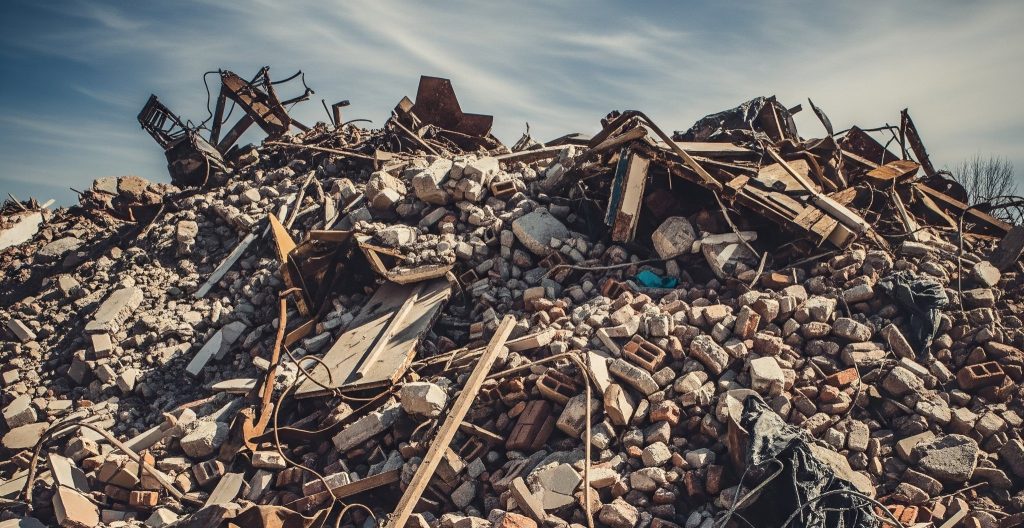
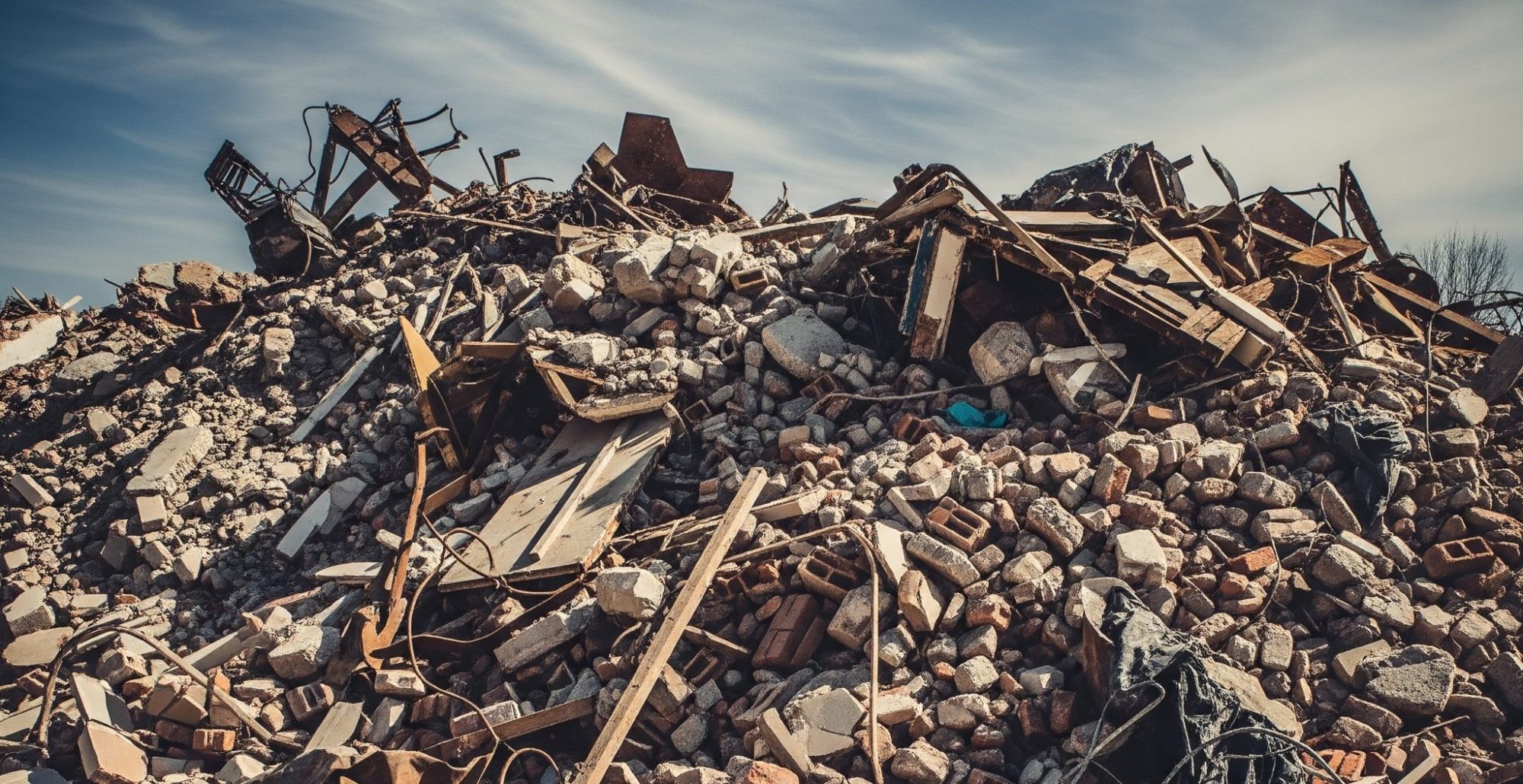
Rubble refers to the mix of waste materials generated during building, renovation, or demolition. It often includes chunks of masonry, earth, and rock. Since these materials don’t break down or leach chemicals, they’re generally classified as inert.